
The iLead programme is designed for students aged 12.5 to 17.5 years (Grades 8 to 12), focusing on academic excellence, skill development, and long-term career readiness. During this crucial stage, students are guided to understand their strengths, interests, and learning styles, enabling them to make informed decisions about their academic and professional pathways.
The programme prepares students for admission into top colleges and prestigious universities by combining strong academic foundations with real-world exposure. Students are encouraged to think independently, develop critical thinking skills, and take ownership of their learning while being supported by structured guidance and mentoring.

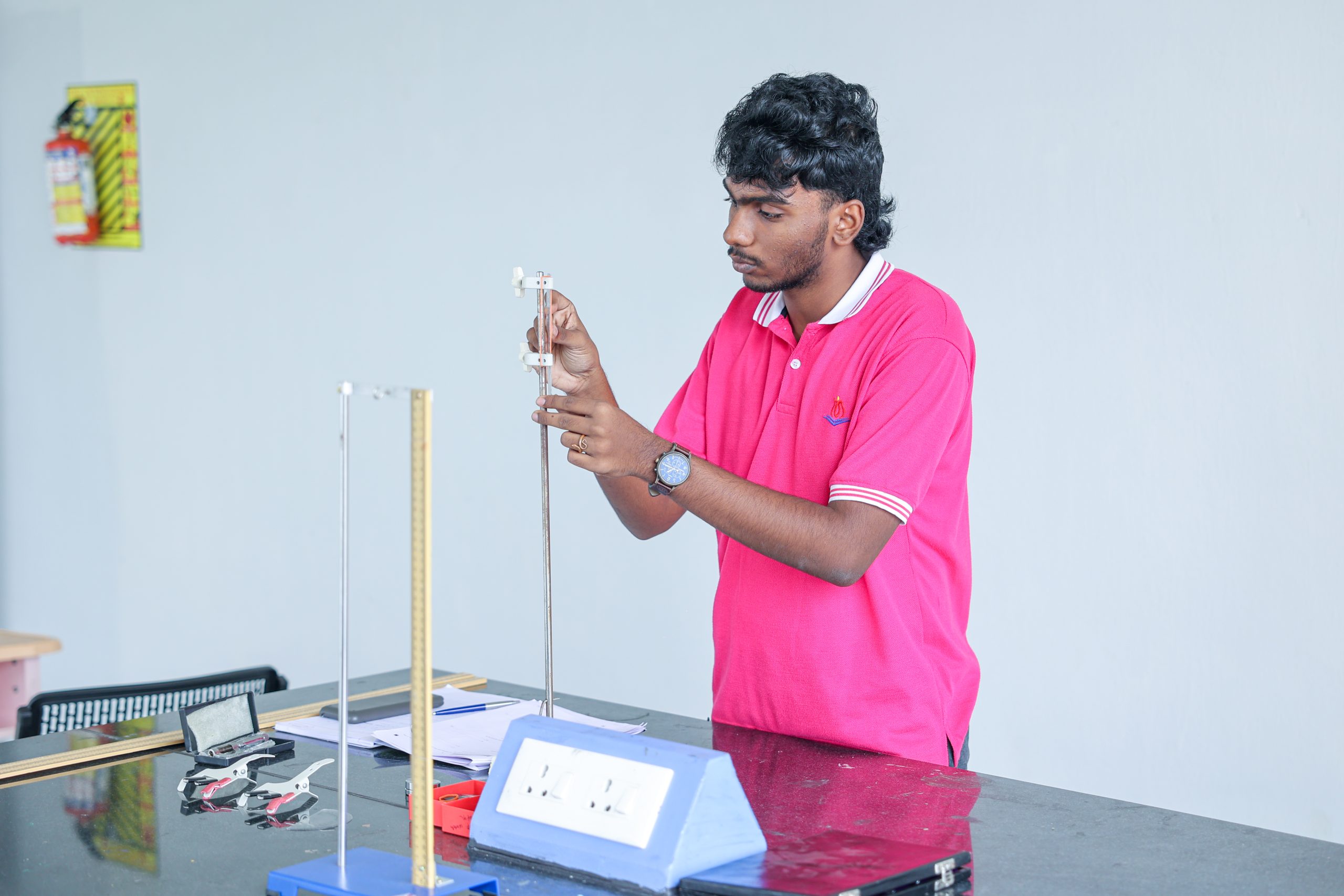

A key focus of the iLead programme is career exploration and planning. Students analyse different career options through guided research, discussions, and self-reflection. This process helps them gain clarity about future goals and align their academic efforts with their chosen fields of interest.
Practical exposure plays an important role in learning. Students visit organisations and workplaces related to their career interests, allowing them to observe real-world applications of knowledge. These experiences help bridge the gap between classroom learning and professional environments.
Students with an interest in programming receive focused exposure through hands-on projects, logical problem-solving activities, and introductory internships. This enables them to build technical skills, understand industry expectations, and develop confidence in applying concepts beyond textbooks.
In addition to academic learning, students are encouraged to develop strong reading habits by exploring inspiring books and listening to audiobooks. These practices enhance language proficiency, broaden perspectives, and support overall intellectual growth, which is essential for higher education and competitive examinations.
- Structured academic guidance aligned with admission requirements of top universities
- Focused exposure to programming and technology-based skill development
- Career analysis and planning based on individual strengths and interests
- Real-world learning through visits and internship opportunities
- Development of independent thinking, communication, and lifelong learning skills